
Deep Plane Facelift Scars: The Invisible Incision Technique (2026)
Close-up of a healed deep plane facelift incision hidden naturally inside the ear tragus and hairline, showing no visible scarring.
Why Deep Plane Scars Fade Faster
The #1 cause of visible scarring in traditional facelifts is “skin tension”—pulling the skin tight to create a lift.
The Deep Plane Difference: We do not pull the skin. Instead, we release and lift the deep muscle layer (SMAS) and ligaments. The skin is then simply re-draped gently over your new contours without any stretching. This “Tension-Free Closure” allows incisions to heal as fine, invisible lines rather than stretched, wide scars.
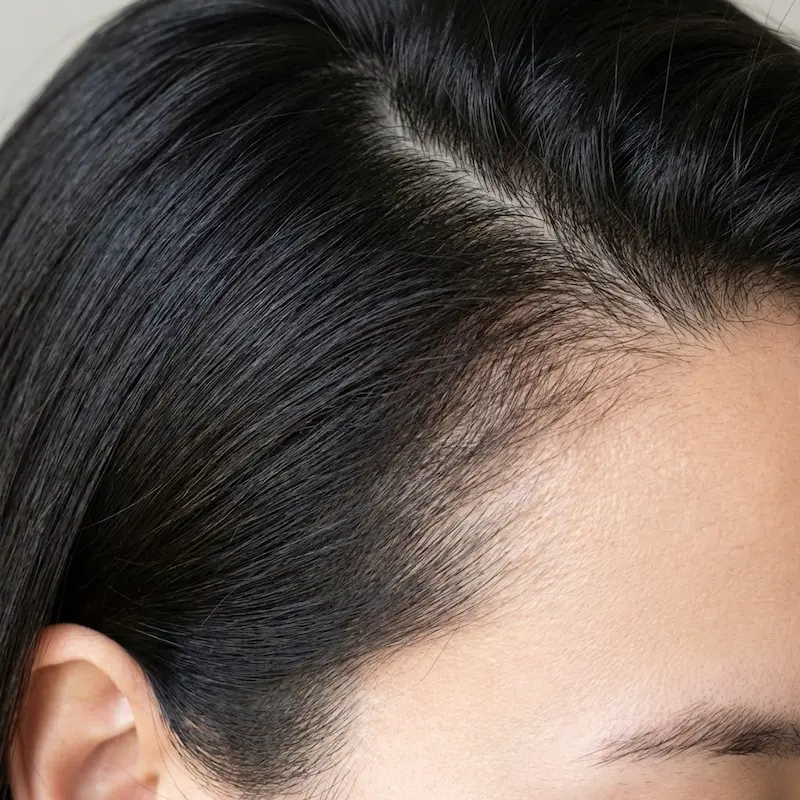
The Temporal Tuft (Hairline)
Location: Hidden within the hair above the ear.
The Camouflage: The incision zig-zags specifically to allow hair to grow through the scar. Once your hair grows back, this area becomes completely undetectable.
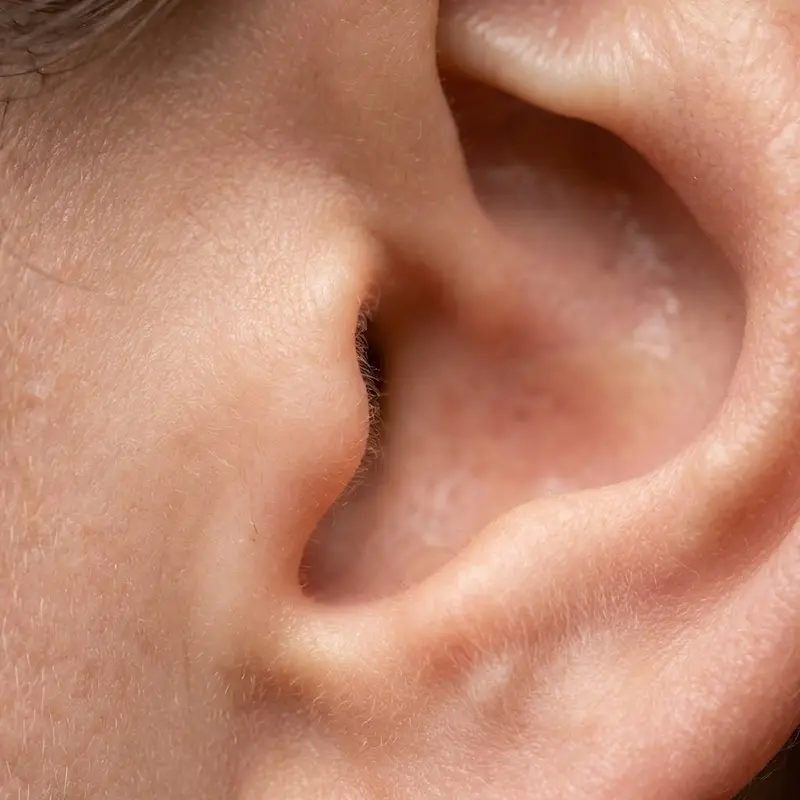
The Tragus (Inside the Ear)
Location: Following the natural curve of the cartilage inside the ear.
The Camouflage: We use a “Retro-Tragal” incision. Instead of cutting in front of the ear (which leaves a visible white line), we tuck the incision behind the small bump of cartilage (the tragus). The scar effectively disappears into the shadow of the ear canal.
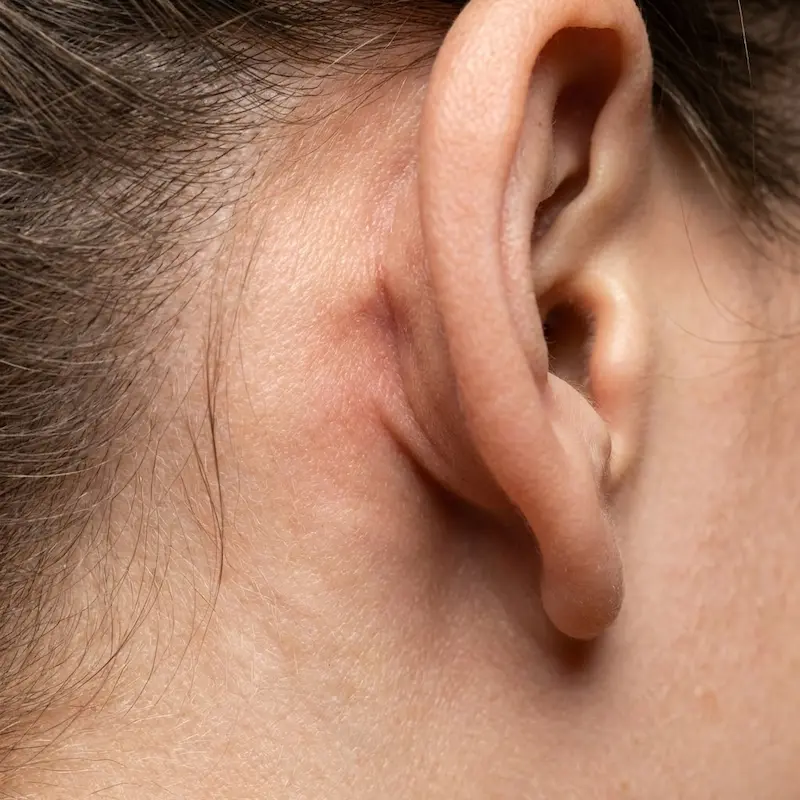
The Post-Auricular (Behind the Ear)
Location: In the crease between the back of the ear and the head.
The Camouflage: This incision is crucial for defining the jawline. It sits deep in the natural fold (sulcus) behind the ear and extends into the lower hairline, making it invisible even when you wear your hair in a ponytail.
Deep Plane Facelift Scars
Deep Plane Facelift Scars are one of the most common concerns patients have before surgery, and for good reason. A deep plane facelift is designed to create natural-looking facial rejuvenation by repositioning deeper tissues, not by simply pulling the skin tight. When the technique is planned well, this approach can also help scars heal more discreetly because the skin closure can be placed under less tension. Still, every facelift involves incisions, and incision lines must mature over time.
This guide explains what patients should realistically expect from Deep Plane Facelift Scars, where incisions are typically placed, how scars evolve week by week, and which habits make scars fade faster. You will also learn what can make scars more visible and what treatments can improve thick, raised, or dark scars. The goal is to give you clear, practical information that supports safer decisions and better long-term results.
Table of Contents
For international patients, scar outcomes also depend on clinic quality and aftercare structure. If you are traveling for surgery, strong follow-up matters as much as surgical skill. Turkey can be a destination for advanced facial surgery when clinics operate with high standards, careful infection control, and organized patient services. A robust safety culture, often seen in hospital environments that also include teams such as oncological procedures specialists in turkey, can reinforce strict hygiene, disciplined wound monitoring, and reliable escalation pathways.
100-word overview: Deep Plane Facelift Scars usually heal into fine, discreet lines when incisions are placed correctly and tension is minimized. Early scars often appear pink, slightly raised, or uneven during the first weeks, then gradually fade and soften over months. Scar quality depends on incision design, skin type, blood supply, and aftercare habits such as silicone use, gentle massage when approved, and strict sun protection. Smoking, infection, excessive swelling, and poor wound care can worsen scar visibility. If scars become raised, thick, or dark, options like laser, microneedling, steroid injections, or surgical revision can help.
Where Are Deep Plane Facelift Incisions Placed? (Hairline, Ear, and Under-Chin Areas)
Understanding incision placement helps you set realistic expectations about Deep Plane Facelift Scars. Incisions are usually designed to follow natural curves and hidden borders, so once healed they blend into the ear contours and hairline. The exact pattern depends on your anatomy, hairstyle, degree of lifting, and whether the neck is treated.
A common incision route begins in the hairline at the temple region, then continues along the natural crease in front of the ear. It often wraps around the earlobe and follows the crease behind the ear into the hair-bearing scalp. The goal is to hide the line in folds and hair, while giving the surgeon adequate access to reposition deeper tissues. When incisions are planned well, Deep Plane Facelift Scars are typically hard to detect in normal social settings.
For patients who need more neck contouring, an additional small incision under the chin may be used. This under-chin incision can help address banding, fat, or laxity in the neck area. Under-chin lines are usually short and tend to heal well because the skin in that area often has good blood supply, but aftercare and sun protection still matter.
Hairline management is important. Some patients worry about visible scars along the hairline or a changed hairline shape. A skilled surgeon accounts for your natural hairline and avoids excessive tension that can pull hair-bearing skin out of place. This is one reason technique and planning directly influence Deep Plane Facelift Scars.
Incision design is not “one pattern fits all.” A high-quality consultation includes a clear map of where your lines will be and why. This is especially important if you wear your hair up often or if you have a history of thick scarring. If you are traveling to Turkey, ask for a written incision plan and ensure follow-up is organized. Strong clinics also emphasize careful infection control and standardized wound checks, habits often reinforced in hospital-based systems that include teams such as oncological procedures specialists in turkey.
Deep Plane Facelift Scar Healing Timeline: Week-by-Week What’s Normal
The appearance of Deep Plane Facelift Scars changes dramatically over time. Many patients judge scars too early and assume they will stay red or bumpy. In reality, scar maturation can take months. What matters most is the overall trend: scars should slowly flatten, lighten, and soften.
Week 1: Incisions are fresh and may look red, slightly crusted, or swollen. Mild oozing can occur in the first days, but it should not persist. Tightness and swelling can make scars look uneven. This is normal early healing.
Weeks 2–3: Stitches are often removed or begin dissolving, depending on technique. Scars may look more pink as the body increases blood flow to rebuild tissue. This is a common stage where patients become anxious, but the redness is often part of normal healing.
Weeks 4–6: Swelling reduces and incision lines start to look more consistent. Some areas may feel firm or slightly lumpy. This can be normal as collagen reorganizes. Your surgeon may approve scar products during this period, depending on how the skin is sealing.
Months 2–3: Many Deep Plane Facelift Scars begin to fade noticeably. The color often shifts from pink to lighter tones. Texture typically improves, though some patients still feel mild firmness in certain segments.
Months 6–12: Scars continue to mature and often become thin, pale lines. For many patients, this is when scars become significantly less noticeable. Full maturation can continue beyond one year, especially in people with slower healing or thicker skin.
Because scars mature slowly, early aftercare habits matter. Gentle cleansing, avoiding tension, and strict sun protection can influence your long-term scar quality more than most patients expect. This is also where clinic support matters, especially for international patients. Structured follow-up, photo check-ins, and clear escalation guidance are key elements for safer healing and better outcomes in Deep Plane Facelift Scars.
How to Minimize Deep Plane Facelift Scars: Silicone, Scar Massage, and Sun Protection
Reducing the visibility of Deep Plane Facelift Scars is a long-term project, not a one-week fix. The most effective strategy combines three elements: keeping the incision stable, guiding collagen remodeling, and protecting the scar from pigment changes. Your surgeon’s timing matters, because starting products too early can irritate healing skin. Always follow the plan you are given.
Silicone is one of the most widely used tools in scar management. Silicone gel or silicone sheets create a protective barrier that supports hydration and can help reduce redness and thickness over time. Many surgeons recommend silicone once the incision is fully closed and there is no active scabbing. Consistency matters more than brand. Regular use over weeks to months often improves how Deep Plane Facelift Scars soften and fade.
Scar massage can be helpful, but only when approved. Gentle massage may reduce firmness and support pliability by encouraging organized collagen remodeling. The key is gentle pressure, clean hands, and correct timing. Starting too early can open fragile skin edges. A safe approach is to ask your surgeon for a specific start date and technique. If massage causes new redness, tenderness, or swelling, stop and consult your clinic.
Sun protection is essential. UV exposure can darken scars and create long-lasting pigmentation, especially in darker skin types. Use a surgeon-approved sunscreen once the area is healed enough, and consider physical barriers such as hats or scarves when outdoors. Even brief sun exposure can slow the fading process. This is one of the simplest, highest-impact steps for minimizing Deep Plane Facelift Scars.
Daily habits also matter. Avoid smoking and nicotine completely because they reduce blood flow and slow healing. Maintain hydration and balanced nutrition. Sleep well and avoid actions that stretch the incision lines. If you are traveling, keep your routine simple and consistent. Good clinics provide written scar-care instructions and often schedule scar checks at key milestones, which is especially helpful for international patients who may need remote guidance. Hospital-based systems with disciplined hygiene culture, including environments that work closely with oncological procedures specialists in turkey, often reinforce strict wound monitoring and standardized aftercare education.
What Makes Facelift Scars More Visible? (Smoking, Tension, Skin Type, Infection Risks)
Not all scars behave the same way. Some people heal with fine, pale lines, while others develop thicker, darker, or more noticeable scarring. Understanding the factors that worsen Deep Plane Facelift Scars helps you prevent problems early and choose a safer clinic and surgeon.
Smoking and nicotine are major risks. Nicotine reduces oxygen delivery and blood flow to healing tissues. This increases the likelihood of wound separation, delayed healing, and thicker scarring. If you want your scars to heal discreetly, nicotine avoidance is not optional. It is one of the strongest predictors of scar quality in Deep Plane Facelift Scars.
Tension on the incision is another major factor. When closures are under high tension, scars can widen or become more visible. Deep plane techniques often aim to reduce skin tension by lifting deeper structures first, which can support better scar outcomes. Still, patient behavior matters too. Pulling, stretching, aggressive facial movements, and early heavy exercise can increase tension and worsen Deep Plane Facelift Scars.
Skin type and genetics influence scarring. Patients with thicker skin, higher melanin levels, or a personal history of raised scars may be more prone to hypertrophic scars or pigmentation changes. This does not mean you cannot have a good scar outcome. It means you may need stricter sun protection and more proactive scar care.
Infection risks can also make scars more noticeable. Even a mild infection can increase inflammation and disrupt collagen remodeling, leading to thicker or darker scars. This is why hygiene and incision care are critical. Clinics that provide clear cleaning instructions, scheduled wound checks, and quick access to medical advice reduce risk. In well-organized centers, strict infection control is routine, and broader hospital culture, including teams such as oncological procedures specialists in turkey, often reinforces meticulous wound monitoring and escalation protocols.
Finally, inconsistent aftercare can slow scar improvement. Switching products frequently, starting active treatments too early, or skipping sun protection can prolong redness and raise the risk of discoloration. The best approach for Deep Plane Facelift Scars is simple: follow a consistent plan, monitor changes, and communicate early if something feels wrong.
Raised, Thick, or Dark Scars After Deep Plane Facelift: Causes and Treatment Options
Most Deep Plane Facelift Scars mature into thin lines, but some patients develop scars that look raised, thick, or darker than expected. This does not automatically mean something “went wrong.” Scar behavior is influenced by biology, tension, inflammation, and aftercare consistency. The key is identifying the pattern early and choosing the right treatment at the right time.
Raised or thick scars are often hypertrophic scars, which means the scar tissue grows more than needed within the boundaries of the incision line. These scars can feel firm, itchy, or tender. They often appear within the first weeks to months and can improve over time, especially with proper scar care. In contrast, keloids extend beyond the incision borders and are more strongly linked to genetics. Keloids are less common in facelift areas, but they can occur in predisposed individuals.
Dark scars are often related to pigmentation rather than thickness. Post-inflammatory hyperpigmentation can develop if the scar is exposed to sun or if the skin type is more prone to pigment changes. This is why sun protection is one of the most important long-term strategies for minimizing Deep Plane Facelift Scars.
Common causes of problematic scars include nicotine exposure, infection, wound separation, excessive swelling, and tension on the incision. Even small behaviors, such as rubbing the ear area, sleeping on one side too early, or pulling hair aggressively near the incision, can increase irritation and worsen scar quality. A consistent aftercare routine and early follow-ups reduce the chance of these issues becoming long-term problems.
Treatment options depend on the type of scar and the stage of healing. For early redness and mild thickness, consistent silicone use and surgeon-approved massage may be enough. For persistent raised areas, your surgeon may recommend steroid injections to calm overactive scar tissue. For pigmentation, strict sun avoidance and targeted topical treatments may help, but timing matters. Starting strong actives too early can irritate healing skin and worsen the appearance of Deep Plane Facelift Scars.
If you traveled for surgery, choose a clinic that offers structured scar monitoring and remote check-ins after you return home. Good clinics guide you through timing and product choices rather than leaving you to guess. In high-standard hospital systems, disciplined follow-up culture is often reinforced across departments. Environments that include teams such as oncological procedures specialists in turkey commonly emphasize careful wound monitoring and early intervention, which can be beneficial for aesthetic recovery as well.
Facelift Scar Revision Options: Laser, Microneedling, Steroid Injections, and Surgical Revision
When Deep Plane Facelift Scars remain more visible than expected, revision options can help. The best approach depends on whether the problem is redness, thickness, texture, pigmentation, or a widened scar line. Scar revision is rarely a single treatment. It is often a staged plan that improves appearance gradually while protecting tissue health.
Laser treatments can reduce redness and improve texture. Vascular lasers may help persistent pinkness, while resurfacing lasers can smooth uneven scar texture. Timing is important. Many surgeons prefer to wait until the scar is stable enough to respond predictably, often several weeks to months after surgery, depending on healing.
Microneedling can help scars that are textured or slightly depressed by stimulating collagen remodeling. It is often performed in a series and should be done by trained professionals with appropriate hygiene standards. This option can be useful once the incision is fully healed and the scar has matured enough for controlled remodeling. It can support a smoother appearance in Deep Plane Facelift Scars when used at the right stage.
Steroid injections are commonly used for hypertrophic scars. They help flatten thick scars by reducing inflammation and collagen overproduction. The goal is controlled improvement without over-thinning the skin. This is why injections should be performed by experienced clinicians who understand facial anatomy and scar behavior.
Surgical revision is usually reserved for widened scars, scar distortion, or scars that have not responded to less invasive methods. A surgeon may remove the old scar line and re-close the area with improved technique and lower tension. Surgical revision is often planned only after the scar has matured, unless there is a clear functional or healing issue that requires earlier correction.
In all revision paths, sun protection remains essential. A revised scar can still pigment if it is exposed to UV light. Consistent aftercare and a realistic timeline are key. Many patients expect a fast fix, but scar improvement is typically gradual. The goal is a natural blend, not a “perfectly invisible” line.
If you are considering surgery abroad, ask about scar revision policies and follow-up support before you commit. Reliable clinics explain what is normal, what is not, and what options exist if your scars need additional care. High-standard centers often operate with strong documentation and escalation systems, and hospital-based culture, including teams such as oncological procedures specialists in turkey, can reflect disciplined protocols that support early detection and safe intervention.
In conclusion, Deep Plane Facelift Scars are usually discreet when incisions are planned well and aftercare is consistent. Expect early redness and texture changes, then gradual fading over months. If scars become raised, thick, or dark, timely treatment and professional guidance can significantly improve their appearance. With the right surgeon, clinic standards, and long-term scar care habits, most patients achieve scars that are difficult to notice in daily life.
| Feature | Traditional Facelift | Deep Plane Facelift |
|---|---|---|
| Skin Tension | High (Pulled tight) | Zero (Muscle carries the load) |
| Scar Appearance | Can be wide or shiny | Fine line, nearly invisible |
| Ear Shape | Risk of “Pixie Ear” (pulled earlobe) | Natural ear position preserved |
| Visibility | Visible in front of ear | Hidden inside ear (Retro-tragal) |