
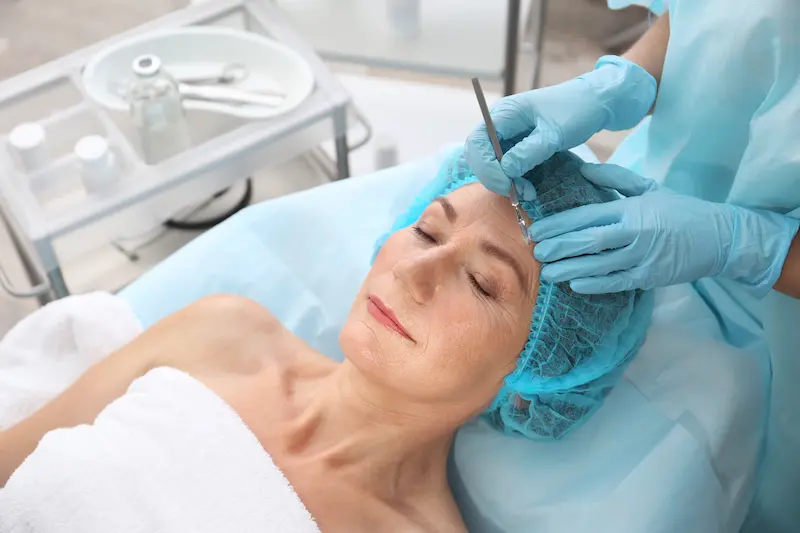
The Immediate Phase of Post-Operative Care
Post-Operative Instructions for Facelift Surgery begin with understanding that the journey to recovery starts the moment you leave the operating room. This section serves as your first step into the world of post-operative care, offering clear guidance to ensure a smooth transition during your recovery days. We will explore practical tips and advice under three key subheadings that address everything from self-care immediately after your procedure to managing discomfort and the potential swelling in face that many patients experience.
Caring For Yourself After Facelift Surgery
In the hours following your facelift surgery, focusing on self-care is paramount. This part of your recovery is all about allowing your body the time and environment it needs to begin healing. Start by arranging a comfortable space in your home where you can rest undisturbed. Keep your prescribed medications close by, and ensure you have a trusted friend or family member to help if necessary.
Emphasize the importance of post-operative care during these critical moments. Listen carefully to the instructions provided by your surgeon, as they have been tailored specifically for your unique procedure. The best plastic surgery clinic will always ensure that their patients leave with comprehensive guidelines, making it easier for you to manage your recovery. Even though it might be tempting to resume your usual routines, remember that taking it slow now will significantly enhance your recovery process.
In addition, make sure to maintain proper hygiene and avoid any strenuous activities. Gentle walking and mild stretching, as advised by your healthcare provider, can improve blood circulation, which is essential for healing. This period is a time of adjustment—where understanding and following your Post-Operative Instructions for Facelift Surgery can prevent complications and foster a positive outcome.
Immediately After Your Facelift Surgery
The moments immediately following your facelift surgery are crucial for setting the tone for the coming days. As soon as you are awake and alert, take a few deep breaths and try to relax. Your body may feel heavy and a bit sore, but these sensations are normal and expected. At this juncture, you must pay attention to any signs of discomfort and address them promptly.
Immediately after surgery, medical professionals will often advise you to rest in a slightly elevated position. This helps minimize the swelling in face—a common side effect that, while alarming at first, typically decreases over time with proper care. Your surgeon may provide additional tools such as cold compresses, which, when used correctly, can alleviate swelling and reduce pain. Keep these instructions close to heart, as early post-operative care is critical in setting a positive trajectory for your recovery days.
It’s important to note that the recovery process begins right in the recovery room. Monitoring vital signs and ensuring that there is no immediate reaction to anesthesia are priorities for the medical team. By adhering to these initial guidelines, you are laying the foundation for a robust recovery. If any unusual symptoms arise during these early moments, do not hesitate to call your surgeon or visit the nearest medical facility.
Managing Pain and Swelling: Essential Tips for Recovery
Managing pain effectively is one of the cornerstones of successful post-operative care. In this section, we focus on practical strategies to manage discomfort and reduce swelling—especially the swelling in face that is frequently experienced after facelift surgery.
Firstly, follow your surgeon’s pain management protocol meticulously. This often includes a combination of prescribed medications and non-medicinal techniques, such as gentle massage or relaxation exercises. Keeping your head elevated when resting can also help control swelling and aid in overall comfort. Remember, each individual’s recovery timeline is unique, and what works for one person may differ for another. Monitoring your progress closely during your early recovery days will help you understand your body’s signals.
In addition to medication, applying cold compresses intermittently can significantly diminish swelling and ease discomfort. It’s advisable to use these compresses as directed—usually for 15-20 minutes at a time. Maintaining a calm environment, with minimal physical activity and stress, further supports the healing process. This period is all about gentle adjustments and listening to your body.
By managing both pain and swelling proactively, you are enhancing your overall recovery. Effective pain management not only contributes to comfort but also plays a critical role in preventing further complications. Always communicate any concerns with your healthcare team, especially if the intensity of your pain or swelling deviates from what is considered normal.
Incision Care, Restful Sleep, Nutrition, and Activity Guidelines
Your journey to recovery from facelift surgery involves more than just managing pain and swelling; it is equally about nurturing the healing process through proper incision care, quality sleep, balanced nutrition, and mindful activity modifications. In this section, we explore key elements of post-operative care that ensure your incisions heal correctly, help you sleep comfortably, and provide the necessary energy and nutrients to support recovery. These guidelines are designed to complement your Post-Operative Instructions for Facelift Surgery and help minimize complications such as excessive swelling in face or extended stages of bruising. With the help of the best plastic surgery clinic advice, you can take active steps to foster a positive healing environment during your recovery days.
Caring for Your Incisions: How to Ensure Proper Healing
One of the most critical aspects of post-operative instructions after facelift surgery is caring for your incisions. Proper incision care is vital for preventing infections and ensuring that your skin heals as seamlessly as possible. Start by keeping the incision sites clean and dry; follow your surgeon’s guidelines on when and how to gently clean the area. Using sterile gauze and avoiding harsh chemicals or excessive scrubbing can prevent irritation and potential complications.
Be mindful of any signs of infection, such as unusual redness, excessive swelling beyond what is expected, or discharge from the incision site. If you observe these signs, promptly contact your surgeon. The Post-Operative Instructions for Facelift Surgery provided by your best plastic surgery clinic will include detailed advice on wound care, including when to change bandages and how to manage the healing process during the recovery days. Proper incision care is not only about preventing infection but also about ensuring that scarring is minimized, allowing your results to look natural and refined over time.
How to Sleep After Facelift Surgery for Maximum Comfort
Quality sleep is essential for healing, and learning how to sleep properly after facelift surgery can significantly affect your recovery. Right after the procedure, it is crucial to sleep in a position that minimizes pressure on your face. Elevating your head with extra pillows helps reduce swelling in face and supports blood circulation, which is key to decreasing inflammation and promoting healing.
Consider adopting a semi-reclined sleeping position during the initial recovery days. This method not only prevents direct pressure on the incision areas but also contributes to overall comfort and relaxation. As you adjust to these new sleeping habits, it is helpful to use a supportive neck pillow or a wedge cushion recommended by your surgeon. Over time, as your incisions begin to heal and the stages of bruising subside, you may gradually return to a more natural sleeping position. However, following your surgeon’s advice during this critical period is essential for long-term recovery and maintaining the results of your facelift surgery.
Diet and Nutrition Tips for Faster Healing After a Facelift
The food you eat plays a pivotal role in your recovery, providing the necessary nutrients that accelerate healing and reduce inflammation. A balanced diet rich in vitamins, proteins, and antioxidants can enhance the healing process and contribute to overall well-being during your recovery days. Prioritize lean proteins, fresh vegetables, and fruits, and incorporate foods known for their anti-inflammatory properties, such as omega-3-rich fish, nuts, and seeds.
Hydration is equally important. Drinking plenty of water helps flush toxins from your body and supports cellular repair. Avoid foods that are high in salt or sugar, as these can contribute to swelling in face and delay the healing process. Your surgeon or the nutritionist at the best plastic surgery clinic may provide you with a personalized meal plan that aligns with your recovery needs. By adhering to these post-operative instructions regarding diet, you set the stage for a smoother and faster recovery.
Activity Restrictions: What to Avoid During the First Few Weeks
Adjusting your activity levels is another critical aspect of post-operative instructions. During the initial weeks after your facelift surgery, it is essential to refrain from strenuous activities that could strain your healing incisions or exacerbate swelling in face. Avoid heavy lifting, vigorous exercise, or any activity that could put pressure on your face or disrupt the incision sites.
It is advisable to follow a gradual return to physical activity. Begin with light walks and gentle stretching as recommended by your surgeon. Overexertion during the early recovery days can lead to complications, including increased bruising and delayed healing. The Post-Operative Instructions for Facelift Surgery provided by your healthcare team will include specific timeframes and guidelines for resuming various activities. By strictly adhering to these recommendations, you give your body the time it needs to recover fully and avoid unnecessary setbacks during the stages of bruising and overall healing process.
Managing Bruising, Swelling, and Social Resumption
After undergoing facelift surgery, it is natural to experience visible signs of healing that may include bruising and swelling. Understanding the stages of bruising and knowing what to expect regarding swelling in face are vital parts of your post-operative care. Equally important is determining the appropriate time to resume your work and social activities. This section explores what is considered normal during the bruising and swelling phase and offers practical advice for reintegrating into your daily routine, ensuring that every step you take aligns with the comprehensive Post-Operative Instructions for Facelift Surgery provided by your surgeon.
Dealing with Bruising and Swelling: What’s Normal and What’s Not

Bruising and swelling are common responses of the body following facelift surgery. Immediately after the procedure, many patients notice significant swelling in face and may experience various stages of bruising. These signs are part of the natural healing process and typically follow a predictable timeline.
During the first few recovery days, it is normal to observe extensive bruising that may initially appear darker in color before gradually fading. The body’s response to the surgical trauma includes inflammation, which is why you might experience persistent swelling for several days or even weeks. It is important to keep in mind that while some degree of swelling is expected, an excessive amount or sudden increase in swelling could indicate complications. Following the Post-Operative Instructions for Facelift Surgery regarding the application of cold compresses, medication use, and rest can help manage these symptoms effectively.
In addition, keeping track of your bruising progression can be helpful. Documenting the changes you observe each day allows you to better understand the normal healing pattern. If you notice that the stages of bruising do not follow a gradual improvement—for example, if the bruising becomes more extensive or does not begin to fade after a reasonable period—it is essential to contact your surgeon immediately. The guidance provided by the best plastic surgery clinic emphasizes that early detection of any abnormal changes is crucial for preventing more severe complications.
Moreover, while some swelling and bruising are to be expected, persistent pain, extreme redness, or the development of fever may indicate an infection or other complications. These symptoms should be addressed without delay, as they are significant red flags in your recovery process. In summary, understanding what is normal in terms of bruising and swelling can empower you to take timely action and seek medical advice when necessary, ensuring that your recovery remains on track.
When to Resume Work and Social Activities After Facelift Surgery
Returning to work and social activities is an important milestone in your recovery journey. However, the decision to resume these activities should be based on a careful evaluation of your healing progress and adherence to the prescribed post-operative care routines. Most surgeons advise a gradual return to normal activities, with specific timelines that are tailored to your individual recovery.
During the initial recovery days, rest remains a priority. You might be advised to avoid any strenuous physical or social engagements that could compromise the healing process. Light activities, such as short walks, are generally acceptable within the first week, provided they do not cause undue strain or discomfort. Over time, as you observe a reduction in swelling in face and notice an improvement in the stages of bruising, you can begin to consider resuming more of your regular activities.
It is advisable to discuss your return-to-work timeline with your surgeon, as they can provide personalized recommendations based on your progress. For many patients, a phased return is optimal—starting with limited hours or less demanding tasks and gradually increasing involvement as your energy levels and comfort improve. Likewise, when considering social activities, aim for settings where you can easily rest if needed. Avoid crowded or overly stimulating environments that might trigger stress or fatigue.
Balancing your eagerness to return to normalcy with the need for ample healing time is essential. Listen to your body’s signals, and do not rush the process. Even if you feel well enough to engage in social events, consider opting for shorter outings initially. This gradual approach helps prevent setbacks and ensures that your body is not overwhelmed by premature physical or emotional stress.
Remember, the guidelines outlined in your Post-Operative Instructions for Facelift Surgery serve as a roadmap for a safe return to your daily routine. Following these guidelines diligently minimizes the risk of complications such as renewed swelling or increased bruising, and supports a smooth transition from recovery to everyday life.
Follow-Up Appointments and Recognizing Complications
A comprehensive recovery from facelift surgery is not complete without consistent monitoring and communication with your healthcare provider. In this section, we explore why Follow-Up Appointments are crucial for your recovery and how to identify Signs of Complications. By closely adhering to your Post-Operative Instructions for Facelift Surgery and staying informed about potential issues, you ensure that every stage of your healing—from managing stages of bruising to reducing swelling in face—is on track. This final segment is essential for reinforcing the importance of diligent post-operative care as recommended by the best plastic surgery clinic.
Follow-Up Appointments: Why They Are Crucial for Your Recovery
Regular follow-up appointments with your surgeon play a pivotal role in ensuring a smooth and lasting recovery after facelift surgery. These scheduled check-ins allow your medical team to monitor your progress, address any concerns, and make timely interventions if necessary. During these appointments, your surgeon will evaluate your incisions, assess any residual swelling in face, and track the evolution of the stages of bruising that may have persisted from the immediate post-surgical period.
Your follow-up visits are an opportunity to receive personalized advice tailored to your healing process. For instance, if you are experiencing unexpected discomfort or if you notice signs that deviate from the anticipated recovery timeline, your surgeon can adjust your post-operative instructions plan. This may include modifying medications, suggesting additional treatments, or advising you to extend your recovery period before resuming more strenuous activities. The personalized attention provided during these visits is why many consider the services of the best plastic surgery clinic to be indispensable.
Moreover, follow-up appointments are a platform for open communication. If you have any questions regarding your recovery, whether it’s about managing residual pain or understanding minor fluctuations in bruising, these appointments offer a safe space to seek clarity. Your surgeon will use these interactions to reinforce the Post-Operative Instructions for Facelift Surgery and ensure that you feel confident in your recovery strategy. Timely follow-ups not only help prevent potential complications but also offer peace of mind during your recovery days.
Recognizing Signs of Complications: When to Contact Your Surgeon
While many patients enjoy a smooth recovery after facelift surgery, it is essential to be vigilant about any signs that could indicate complications. Recognizing these early warning signals is a critical component of effective post-operative care. Not every bruise or instance of swelling is cause for alarm, but there are specific indicators that should prompt immediate contact with your surgeon.
Some common signs of complications include:
• Excessive or Unusual Swelling: While some swelling in face is normal, a sudden increase or asymmetry in swelling may suggest an underlying issue.
• Persistent or Worsening Pain: Pain that intensifies rather than gradually subsides during your recovery days could be a sign that something is not right.
• Signs of Infection: Look out for increased redness, warmth around the incision sites, fever, or discharge. These symptoms warrant urgent attention.
• Unexpected Changes in Bruising: Although the stages of bruising can vary among individuals, if the bruising does not gradually improve or appears to worsen significantly, it is important to consult your surgeon immediately.
Understanding these Signs of Complications and having a clear action plan in place can significantly impact the long-term success of your recovery. The Post-Operative Instructions for Facelift Surgery provided by your surgeon will typically include guidelines on what symptoms to monitor and when to seek help. Adhering to these instructions ensures that any complications are addressed promptly, thereby reducing the risk of more severe issues.
If you experience any of these warning signs, do not hesitate to reach out to your healthcare provider. Quick intervention is key to preventing minor complications from escalating into major concerns. Remember, your surgeon is your best ally during this time, and maintaining open lines of communication is critical for a successful recovery.
Empowering Your Recovery Journey
In conclusion, consistent follow-up appointments and vigilance for complications are the final, yet essential, pillars of your recovery after facelift surgery. By attending scheduled appointments, you ensure that your progress is continuously monitored, and any deviations from the expected healing process are promptly addressed. Recognizing the early Signs of Complications—such as excessive swelling, persistent pain, or infection—allows you to take swift action and maintain the integrity of your recovery.
Integrating these practices with the comprehensive Post-Operative Instructions for Facelift Surgery and expert advice from the best plastic surgery clinic will help you enjoy a smooth transition through your recovery days. Ultimately, a well-informed and proactive approach to your recovery not only safeguards your surgical results but also enhances your overall well-being. As you move forward, continue to prioritize your health and maintain open communication with your medical team to achieve the best possible outcome from your facelift surgery.