

Facelift surgery, often referred to as rhytidectomy, is a transformative plastic surgery procedure designed to rejuvenate facial features and restore a youthful appearance. Over time, aging, environmental factors, and lifestyle choices lead to sagging skin, deep wrinkles, and loss of facial volume. Facelift surgery offers a solution for individuals looking to combat these signs of aging, boosting their confidence and overall satisfaction with their appearance.
Factors That Motivate People To Undergo Facelift
A variety of reasons inspire individuals to opt for a facelift procedure. Some of the most common motivations include:
- Aging and Aesthetic Concerns: As individuals age, their skin loses elasticity, leading to sagging cheeks, jowls, and pronounced nasolabial folds. A facelift can reverse these changes, creating a firmer, smoother appearance.
- Professional and Social Confidence: In a competitive world, maintaining a youthful appearance can boost confidence both professionally and socially. Many people seek facelift surgery to align their external appearance with their internal vitality.
- Special Occasions: Significant life events such as weddings, anniversaries, or reunions often prompt individuals to consider cosmetic enhancements, including a facelift.
The Role of Modern Techniques in Attracting Patients
Modern facelift techniques, such as the deep plane facelift, have revolutionized the field of plastic surgery. Unlike traditional methods, a deep plane facelift targets the deeper facial structures, providing more natural and long-lasting results. Patients are increasingly drawn to this technique due to its ability to create subtle yet impactful transformations.
Famous People Who Undergo Deep Plane Facelift
Several well-known individuals have undergone deep plane facelifts to maintain a youthful appearance or enhance their facial features. While many celebrities prefer to keep their cosmetic procedures private, there have been a few public figures who are either rumored or known to have had this advanced facelift technique.
Here are some famous people who are believed to have undergone deep plane facelifts:
- Kim Kardashian
Kim Kardashian is often speculated to have undergone various cosmetic procedures, including a facelift. Although she hasn’t publicly confirmed a deep plane facelift, her highly contoured facial appearance and appearance of more lifted cheeks have led to widespread speculation about her use of this technique. - Caitlyn Jenner
Caitlyn Jenner has openly discussed undergoing cosmetic procedures, including facelifts, to maintain a youthful appearance. Her facial transformation has been notable, and some reports suggest that she has had a deep plane facelift to achieve smoother skin and lifted features. - Jennifer Aniston
While Jennifer Aniston has denied having major plastic surgeries, her appearance continues to spark rumors of non-invasive procedures and possible facelifts. Her youthful, smooth skin and lifted features have led some experts to believe she might have undergone a deep plane facelift to maintain her look. - Brad Pitt
Known for his handsome features, Brad Pitt has been rumored to have undergone various cosmetic enhancements over the years, including facelifts. His look has noticeably changed over the years, and some speculate that he might have used advanced facelift techniques such as the deep plane facelift. - Beverly Hills Housewives (Real Housewives of Beverly Hills cast)
Many members of the “Real Housewives” franchise, especially those from Beverly Hills, are known to openly embrace cosmetic surgeries and treatments, including facelifts. Cast members like Kyle Richards, Lisa Rinna, and Yolanda Hadid have all been rumored to have undergone various facial enhancements, and some have been associated with the deep plane facelift due to their lifted, youthful appearances. - Courtney Cox
Courteney Cox has openly admitted to having had cosmetic procedures in the past. She has spoken about trying different techniques and treatments to enhance her facial appearance, and while she hasn’t directly referenced a deep plane facelift, her appearance suggests she might have had this advanced technique to achieve her youthful look.
It’s important to note that many celebrities opt for privacy about their cosmetic procedures, so the information regarding their surgeries often comes from speculation, indirect references, or visual changes over time. The deep plane facelift, which lifts and tightens the facial tissues from deeper layers, provides a more natural, long-lasting result compared to traditional facelifts, making it an appealing choice for those who seek to enhance their appearance subtly and effectively.
Benefits of Facelift and Deep Plane Facelift
The benefits of undergoing facelift surgery are manifold, ranging from aesthetic improvements to psychological well-being. Here are some key advantages:
- Enhanced Facial Contours: Facelifts tighten loose skin and redefine facial contours, particularly around the jawline and cheeks.
- Long-Lasting Results: Unlike temporary solutions, such as fillers, facelift surgery provides durable results, especially when performed by the best facelift surgeon.
- Minimized Scarring and Recovery Time: Advanced techniques like the deep plane facelift under local anesthesia are less invasive, resulting in minimal scarring and a quicker recovery period.
Facelift surgery is not just about aesthetics; it’s about reclaiming one’s confidence and embracing a more youthful version of oneself.
A Deep Plane Facelift Under Local Anesthesia Is Considered Safer
In recent years, the deep plane facelift under local anesthesia has gained popularity due to its enhanced safety profile. By eliminating the need for general anesthesia, this method reduces the risks commonly associated with traditional surgical procedures.
Why Local Anesthesia Is a Game-Changer
- Lower Risk Profile: Local anesthesia eliminates complications such as nausea, prolonged recovery, and adverse reactions associated with general anesthesia.
- Improved Patient Comfort: Patients remain awake but comfortable during the procedure, which can ease anxiety and provide a more personalized surgical experience.
- Faster Recovery: With fewer side effects, patients often experience shorter downtime, allowing them to return to their routine activities more quickly.
What is The Best Age For Facelift
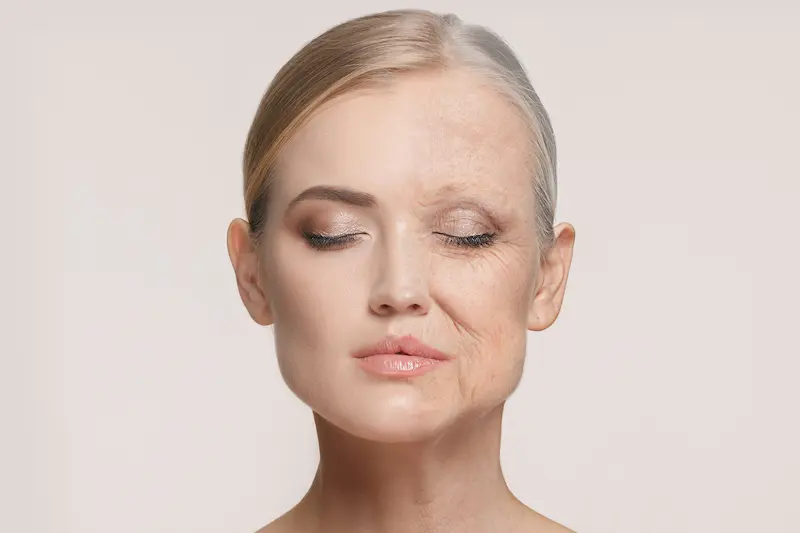
Determining the best age for facelift surgery depends on individual factors such as genetics, lifestyle, and the degree of aging. While there is no universal age, the following guidelines can help individuals decide:
- Early Signs of Aging (40s to 50s): Many patients choose to undergo facelift surgery in their 40s or 50s when signs of aging become noticeable but are not yet severe. Early intervention often leads to better results and prevents the need for more extensive procedures later.
- Advanced Signs of Aging (60s and Beyond): Individuals in their 60s or older can still achieve excellent results with a facelift, especially if they are in good overall health. However, the procedure may be more comprehensive to address advanced skin laxity.
Why Facelift and Deep Plane Facelift Are Becoming Very Popular
The growing popularity of facelift surgery can be attributed to several factors:
- Natural-Looking Results: Advanced techniques like the deep plane facelift focus on repositioning facial structures rather than simply tightening the skin, resulting in a more youthful yet natural appearance.
- Cultural Shifts: The stigma around cosmetic surgery has diminished, with more individuals embracing the idea of enhancing their appearance.
- Improved Accessibility: With advancements in technology and reduced recovery times, facelifts have become more accessible to a wider audience.
Facelift surgery has evolved from being a luxury to a mainstream procedure, empowering individuals to look and feel their best at any age.
Who Is Not Eligible For Facelift Surgery
Although facelift surgery can benefit many individuals, it is not suitable for everyone. Certain factors may disqualify a person from undergoing the procedure, including:
- Medical Conditions: Individuals with severe health issues such as heart disease, uncontrolled diabetes, or bleeding disorders may face increased risks during surgery.
- Smoking Habits: Smoking interferes with blood flow and healing, making it a contraindication for facelift procedures. Surgeons often require patients to quit smoking several weeks before and after surgery.
- Unrealistic Expectations: Patients with unrealistic expectations about the outcomes of a facelift may not be ideal candidates. It is essential to have a clear understanding of what the procedure can and cannot achieve.
Alternatives for Non-Eligible Candidates
For those who are not suitable for facelift surgery, non-surgical alternatives such as dermal fillers, thread lifts, or laser treatments may offer temporary improvements.
What Are The Potential Risks Of a Facelift Surgery?
Like any surgical procedure, facelift surgery carries certain risks. Understanding these risks can help patients make informed decisions:
- Scarring: Although modern techniques minimize scarring, some individuals may experience visible scars depending on their skin type and healing process.
- Infection: While rare, infections can occur if proper post-operative care is not followed.
- Nerve Damage: Temporary or permanent nerve damage may affect facial sensation or movement, although this is uncommon with experienced surgeons.
- Hematoma: A collection of blood under the skin can occur, requiring additional treatment.
Importance of Choosing the Right Surgeon
Selecting the best facelift surgeon significantly reduces the likelihood of complications. Board-certified plastic surgeons with extensive experience in facelift procedures are best equipped to handle potential risks and deliver optimal results.
How To Minimize The Potential Risks of Facelift Surgery?
While facelift surgery is generally safe, patients can take several steps to ensure a successful outcome and minimize risks:
- Choose a Qualified Surgeon: Always opt for a board-certified plastic surgeon with expertise in facelift procedures. Review their credentials, patient reviews, and before-and-after photos to gauge their skill level.
- Follow Pre-Operative Instructions: Surgeons typically provide guidelines on medications, smoking cessation, and skin preparation. Adhering to these instructions reduces complications.
- Maintain Realistic Expectations: Understanding what a facelift can achieve helps patients align their expectations with reality, leading to higher satisfaction rates.
Post-Operative Care and Recovery Tips
- Manage Swelling and Bruising: Applying cold compresses and keeping the head elevated can minimize swelling and bruising during the initial recovery period.
- Attend Follow-Up Appointments: Regular check-ups with the surgeon ensure proper healing and allow for early detection of potential issues.
- Adopt a Healthy Lifestyle: A balanced diet, proper hydration, and avoiding smoking promote faster healing and long-term results.
Why Patient Education Is Key
Patients who are well-informed about the procedure, recovery process, and potential risks are more likely to have a positive experience. Open communication with the surgeon and thorough research empower individuals to make the best decisions for their health and appearance.
By following these tips and choosing the right surgeon, patients can enjoy the transformative benefits of facelift surgery with confidence and peace of mind.